
Our portfolio companies are kicking off 2026 with some exciting updates. Here’s what’s new:
1. Passengera: Autonomous Mobility Is Already Here

Autonomous shuttles are no longer a future promise in Europe, they are already on the streets.
In Hamburg, the HOLON autonomous minibus has begun testing, powered in part by technology from Passengera. Their connectivity and data platform enables real-time fleet operations, the kind of infrastructure most passengers never see, but without which autonomous mobility simply cannot function.
This milestone is a reminder that the future of transport isn’t just about vehicles. It’s about software, data, interoperability, and collaboration across European teams that know how to ship complex systems together.
2. QurieGen: Expanding AI-Driven Drug Development to the US
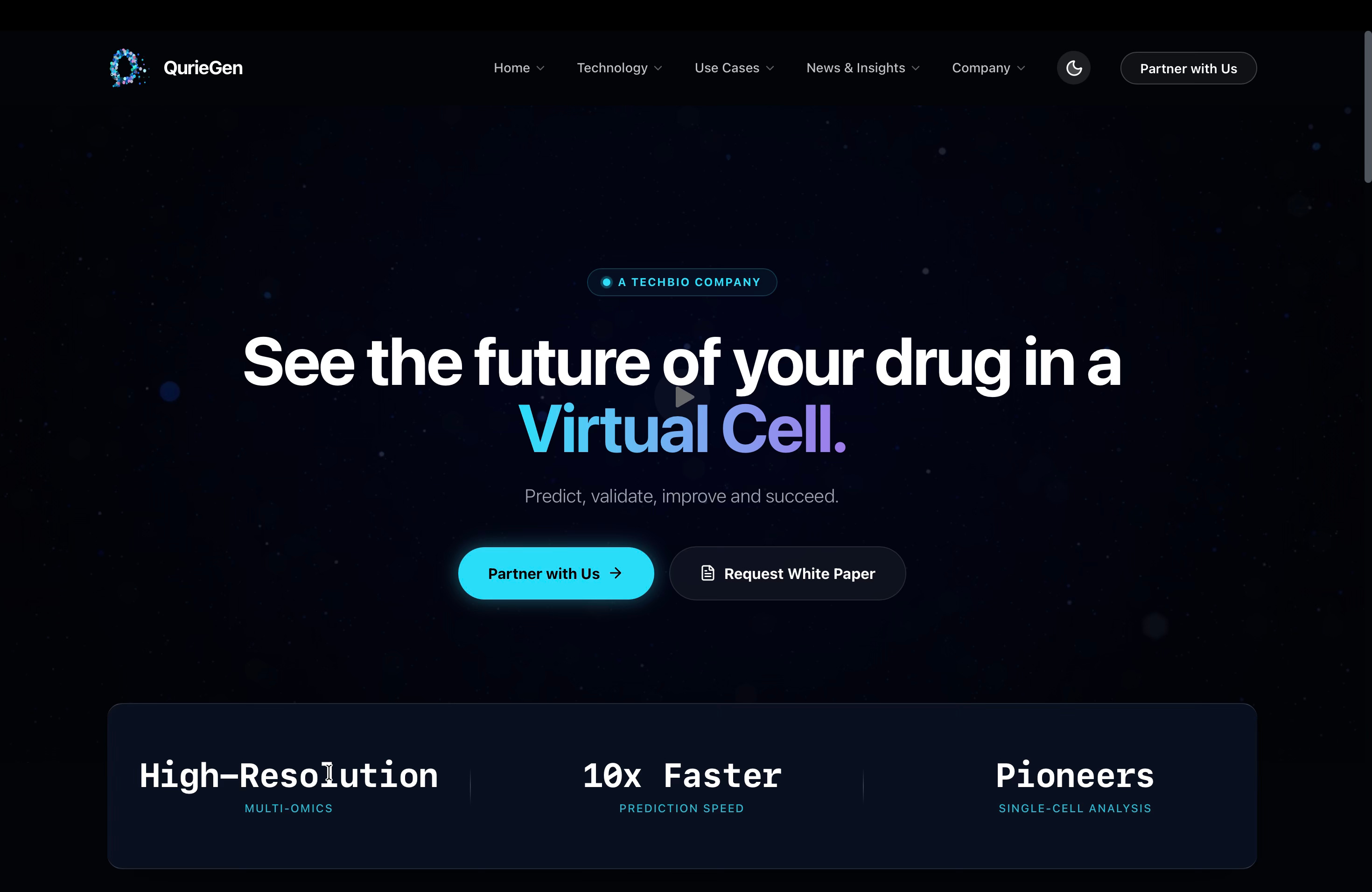
QurieGen has been on the move.
The team launched a new website and hosted a webinar showcasing their approach to AI-powered drug development, while also kicking off their US expansion through the ScaleNL program.
New York City and Boston are next 🇺🇸✈️ two of the most important hubs for biotech and life sciences.
This step marks a new chapter in bringing European AI-first drug discovery platforms closer to global pharma, research institutions, and clinical partners.
🔗 Website & webinar
🔗 ScaleNL announcement
3. dstack: Practical Guides for Scaling AI Infrastructure
Many AI teams still rely on Slurm for training and batch jobs, but scaling experimentation and deployment can get painful.
dstack released a concise Slurm migration guide showing how teams can move existing workloads to dstack step by step, without rewriting their entire setup. It maps familiar Slurm concepts to dstack workflows and focuses on practical, day-to-day usage.
4. Aireen × Optomed: AI Retinal Screening Meets EU Medical Standards
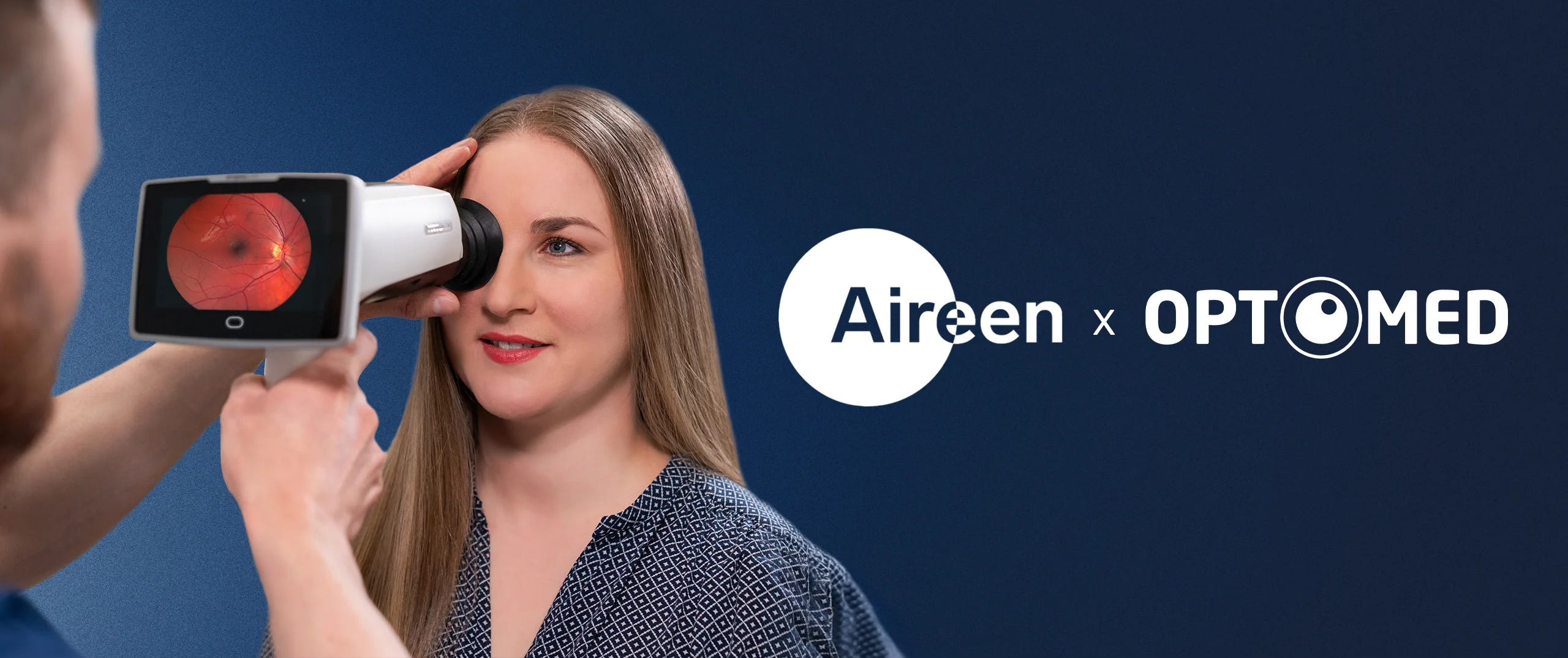
A major healthcare milestone from Aireen.
Optomed US Lumo® is now officially approved for integration with Aireen’s AI algorithm for diabetic retinopathy screening in the EU.
This achievement reflects far more than a partnership announcement. Behind it:
Deep technical integration
Full MDR Class IIb certification
Execution under some of the highest regulatory and clinical standards in Europe
Together, Optomed and Aireen are bringing AI-powered retinal screening into primary care, mobile programs, and healthcare systems across the continent.
Portfolio milestones like this are built slowly, and matter immensely.
5. Repsense: Deployed Where It Matters Most

Repsense reached a notable deployment milestone: their information analytics platform is now deployed in a NATO context.
This is a strong validation of both technical robustness and operational trust, particularly in environments where reliability, security, and decision speed are non-negotiable.
6. ArcPay by Superface: Payments for Autonomous Agents
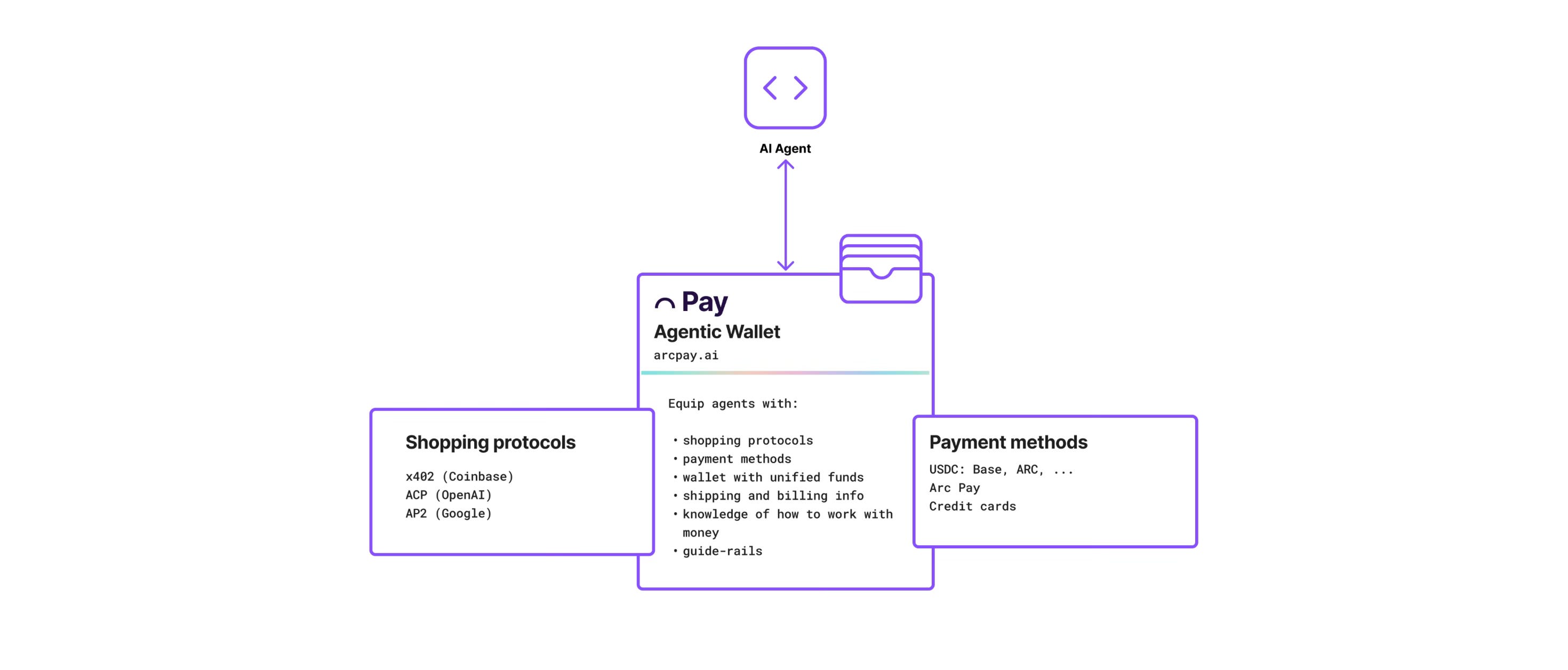
At Generation AI Paris, ArcPay was introduced as what it truly is:
the first agentic wallet built for autonomous agent payments.
As protocols from Google, OpenAI, and Coinbase enable agents to discover, negotiate, and transact autonomously, a critical gap has emerged: traditional payment systems are not designed for agents.
ArcPay is tackling this head-on, think Apple Pay, but for AI agents.
The real shift isn’t agents serving humans. It’s agents transacting with other agents:
Autonomous supply chains
Agent-to-agent B2B marketplaces
High-frequency, machine-speed commerce
ArcPay’s beta is now live, with early builders already experimenting at the infrastructure layer of agentic commerce.
🔗 Learn more & sign up
🔗 Presentation
7. Quantagonia: 30 Under 30 Recognition
A special highlight from Quantagonia.
Founder Philipp Hannemann was named to the 30 Under 30 list, a recognition that reflects an exceptional journey. From convincing major sports leagues to adopt optimization software before turning 20, to building Quantagonia (now acquired by Strangeworks), Philipp continues to push decision intelligence forward.
Quantagonia’s work applies AI and quantum computing to planning problems with millions of constraints, making mathematical optimization accessible at unprecedented scale.
8. Solvemed: AI Supercomputing for Medical Research
Solvemed has been granted access to Isambard-AI, one of the world’s most powerful AI supercomputers (ranked 11th globally), powered by over 5,400 NVIDIA Grace Hopper Superchips.
Through the $1.5M EyeWarn project, funded by UK Research and Innovation, this computational power enables pupillary biomarker research that until recently was purely theoretical.
Solvemed’s work has already been featured in BBC News and NewsBytes, and this access unlocks an entirely new research frontier.
Looking Ahead
Across our portfolio, a common thread stands out:
deep technical execution in domains where complexity is unavoidable, and impact is real.
From autonomous mobility and medical AI to agentic commerce and quantum-inspired optimization, these teams are building foundational layers that will quietly shape the next decade.
We’re proud to support them, and excited for what’s next 🚀