
A double-dose of deep tech momentum closed out with our portfolio startups forging new partnerships and global expansion. Add in record-breaking supercomputers, insightful reads, and events spanning San Francisco to Helsinki, and the past two months were packed with progress.
🚀 Portfolio in Action
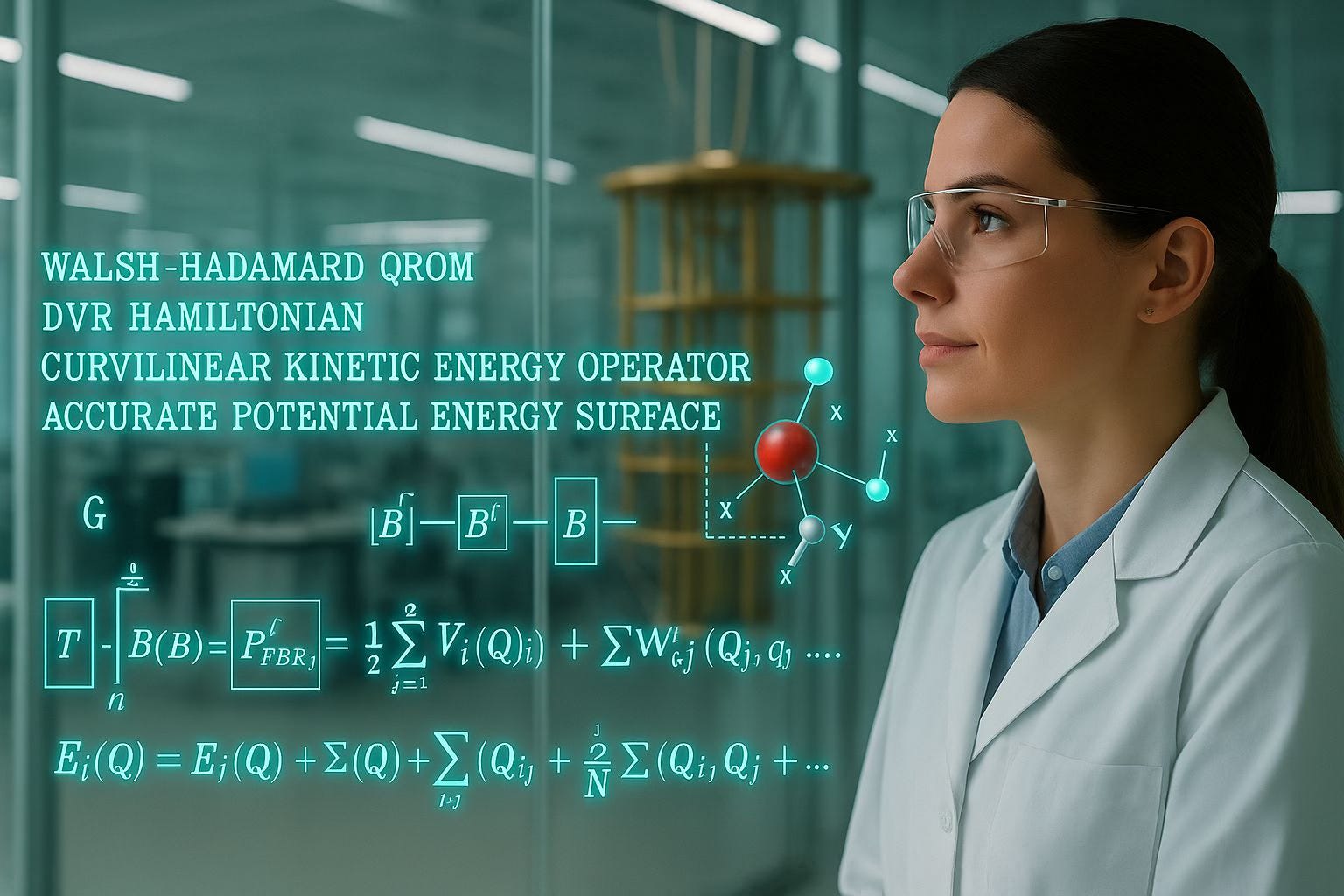
BEIT Breakthrough: BEIT published a major advancement in quantum-powered molecular simulation: a new algorithm that models full molecular motion (rovibrations) with up to 100,000× lower quantum-volume requirements than previous methods. A foundational leap toward practical quantum chemistry.
Wultra’s Expansion: Wultra opened its first Asian office in Singapore to meet rising demand for post-quantum security. The expansion lined up with the Singapore FinTech Festival, where the team met new regional partners.
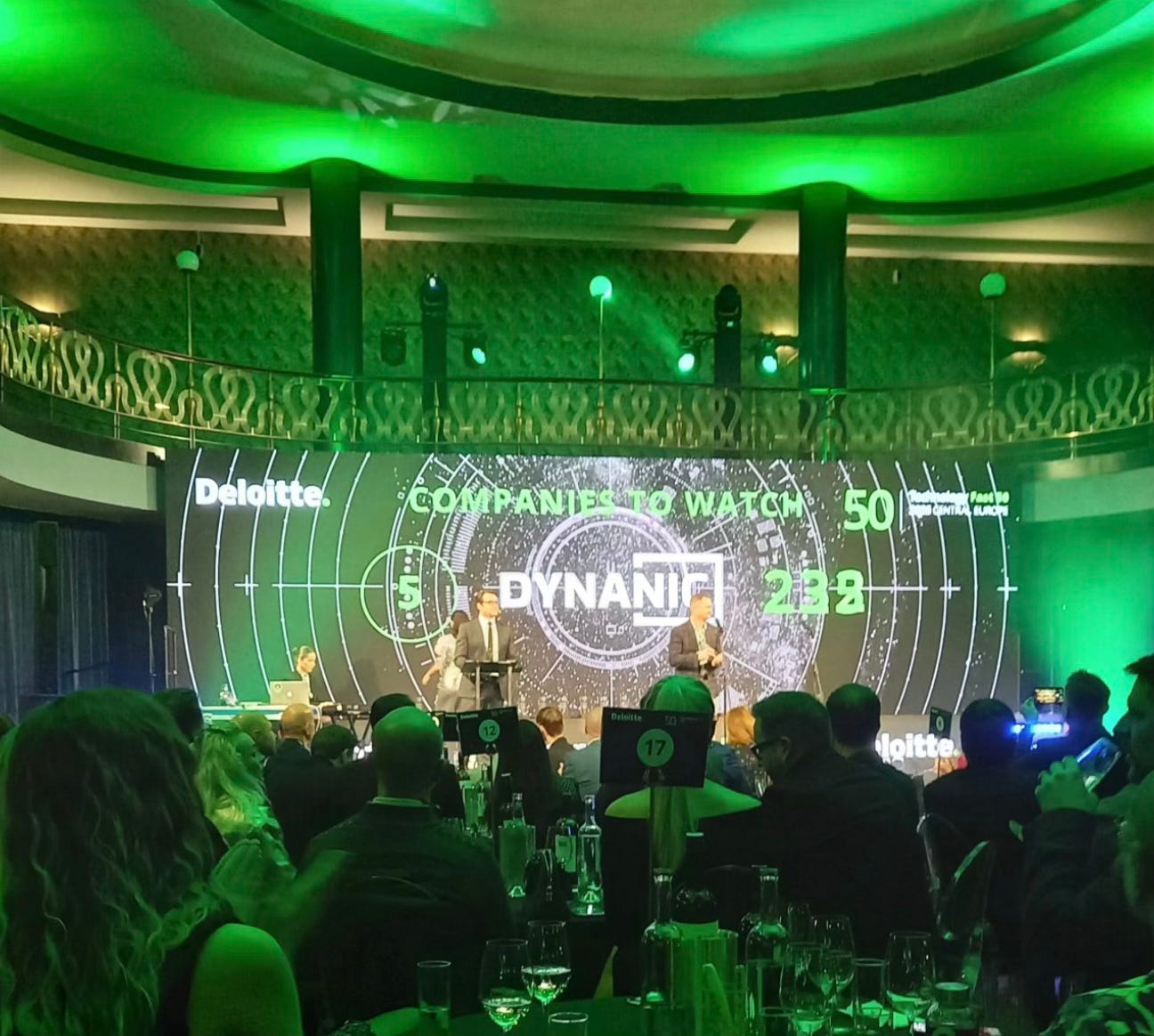
(Their quantum-resistant authentication tech now protects 70+ banks across 25 countries.)DYNANIC Milestone: DYNANIC was named one of Deloitte’s Companies to Watch in the Technology Fast 50 Central Europe, spotlighting their momentum in SmartNIC, FPGA, and network-performance innovation. The team hints that something big is coming next.
dstack’s Updates: Co-hosted a full house AI & Open-Source Models meetup in San Francisco during Open Source AI Week, uniting GPU specialists, AI researchers, and ML engineers for lightning talks and networking. On the product side, dstack rolled out a beta integration for Kubernetes, enabling its open-source orchestrator to natively manage GPU workloads on Kubernetes clusters – a big step toward easier multi-cloud AI deployments.
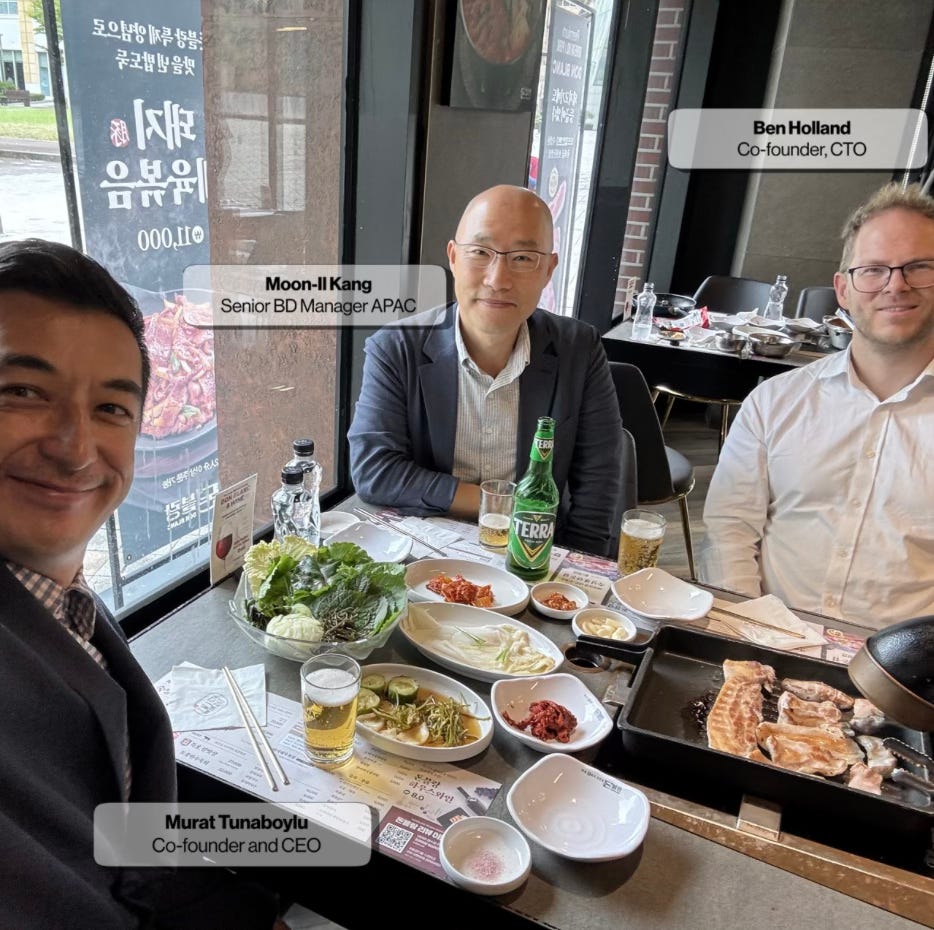
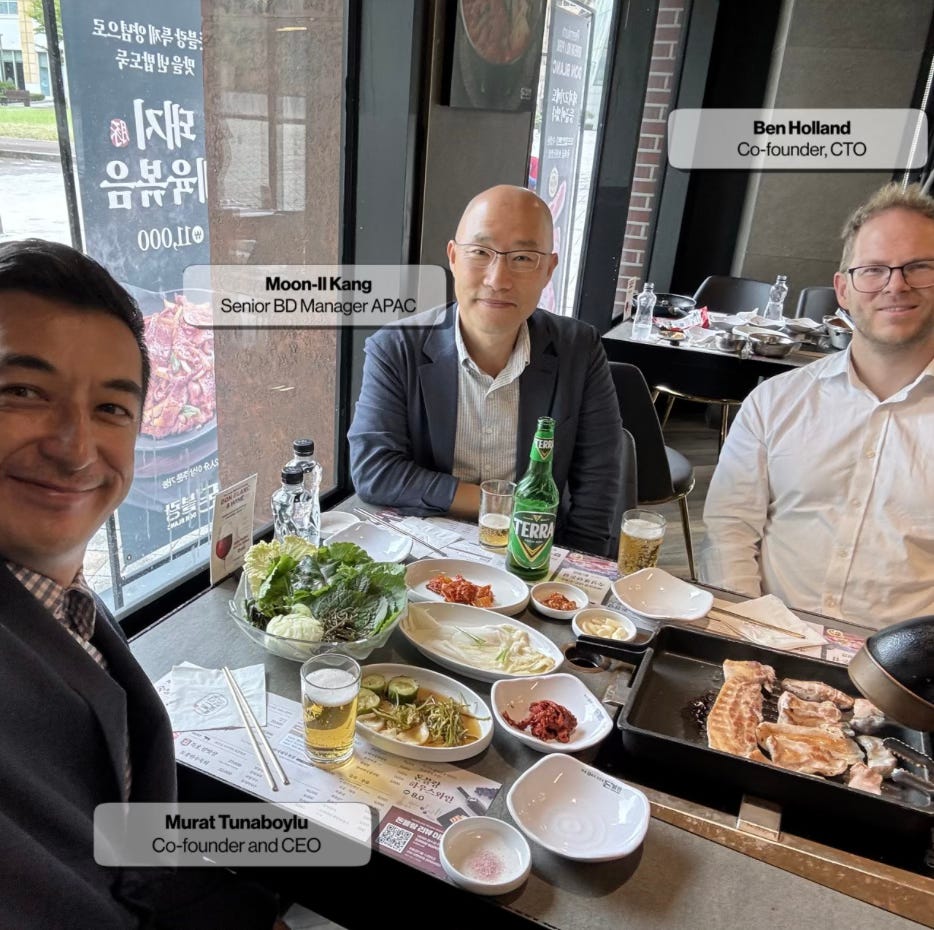
Antiverse Expansion: Building momentum in South Korea. Our portfolio company Antiverse spent a packed week meeting leading biotech and pharma teams in South Korea, where demand for AI-powered antibody discovery and GPCR-focused cell line technologies is accelerating rapidly. With strong interest from one of Asia’s most dynamic innovation hubs, Antiverse is exploring new collaborations across the region.
Veracity Protocol Technology: Joined forces with global materials leader Avery Dennison to scale up its microstructure fingerprinting technology. Selected for Avery Dennison’s ADStretch accelerator, Veracity is working to make Physical AI and digital product passports a new standard of trust for physical objects. (This partnership validates Veracity’s vision of using one-image Vision AI fingerprints to authenticate products without special tags or chips.)
Edmund AI Hiring: Following its €500K pre-seed investment earlier this year, Edmund’s AI co-pilot for manufacturing is now deployed in 20+ pilot projects with industry heavyweights like Festo and Vitesco. The platform’s AI assistants help factory teams troubleshoot breakdowns in minutes instead of hours. Edmund has been expanding its team (hiring a Customer Success Engineer in September) and gearing up for a broader European rollout to tackle the skilled technician shortage in factories.
(Other Tensor portfolio notes: Superface continues to refine its connectivity platform for AI agents and strengthening the partnerships in the US, earlier this year it secured a $600K seed extension to build “AI-to-API” integrations. QurieGen is heads-down developing its single-cell “Google Maps for cells” techbio platform after raising €2.2M in pre-seed funding to accelerate oncology drug discovery with their new Chief Business Officer to strengthen sales and partnerships.)
👩🏽💻 Deep tech scene
Google’s Quantum Breakthrough: Google unveiled a new algorithm called Quantum Echoes that runs on its latest quantum chip and outperformed classical supercomputers by 13,000×. The algorithm, detailed in Nature, is a major step toward practical quantum computing, with potential to aid drug discovery and materials science by generating unique data beyond classical reach.
$12B Bet on RNA Therapeutics: Pharma giant Novartis agreed to acquire U.S. biotech Avidity Biosciences for about $12 billion in cash. Avidity’s platform delivers RNA therapies to muscle tissue, and Novartis’s hefty purchase (at a 46% premium) expands its pipeline of treatments for rare neuromuscular disorders. This marks one of 2025’s largest deep tech-driven biotech acquisitions, underscoring big pharma’s appetite for breakthrough RNA medicines.
Exascale Supercomputer in Europe: Europe officially entered the exascale era, JUPITER, a new supercomputer in Jülich, Germany, surpassed 1 ExaFLOP/s (one quintillion operations per second) in November. JUPITER now ranks as the world’s 4th fastest computer and the most energy-efficient exascale system. With ~24,000 NVIDIA Grace Hopper chips, it opens unprecedented capacity for AI model training and climate or biomedical simulations at ultra-high resolution.
(Other notable news: The U.S. approved its first CRISPR-based therapy for cancer, a “warm” fusion breakthrough set a new record for net energy, and the UK unveiled a £100M fund to back quantum startups, deep tech is charging ahead globally.)
💡 What we read
State of AI Report 2025 “AI Went Industrial”: The latest State of AI report dropped, and its key message is striking: Today’s biggest AI hurdles aren’t algorithms, they’re social and material. From data and compute bottlenecks to adoption challenges, this annual 300+ page analysis maps how AI’s frontier is shifting from pure research breakthroughs to scaling infrastructure and aligning with human context.
OpenAI’s $1 Trillion Cloud Spend: VC analyst Tomasz Tunguz revealed jaw-dropping numbers on OpenAI’s ambitions. By his estimates, OpenAI has committed $1.09 trillion in cloud and hardware spending through 2035 across partners like Broadcom, Nvidia, Microsoft, AWS, and others.
“Deep Tech Rising” (N. Colin): In a thought-provoking essay, Nicolas Colin argues that the shift to deep tech isn’t just another trend, it’s a return to venture’s original purpose: funding fundamental breakthroughs that create lasting competitive advantage. Deep tech flips the script by moving risk from market uncertainty to technological achievement.
📣 Events we loved
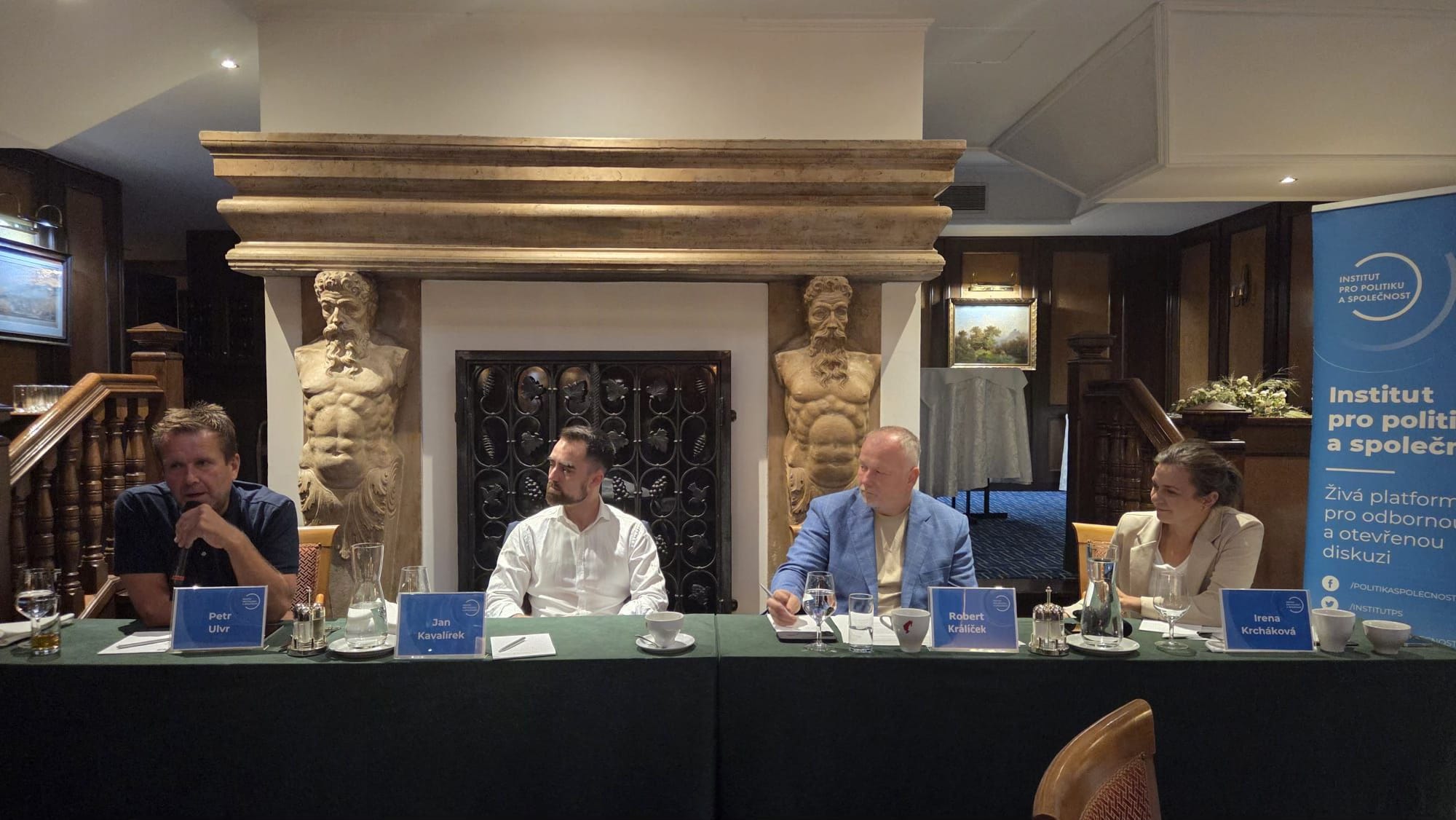
Petr Ulvr at “Czech AI: From Strategy to Execution”
Petr joined a panel on how the Czech Republic can turn its AI ambitions into real-world impact. He highlighted why deep tech is essential for economic growth and technological resilience, and how Tensor Ventures supports ambitious founders from the earliest stages.
Ondra and Jan at Slush 2025 (Helsinki)
In November, our team headed north to Helsinki for Slush, one of the world’s largest gatherings for founders, investors, and operators. With 70,000+ people on the ground and deep tech at the forefront, the energy was unmistakable.
Daniel Hastík at UP Business Camp 2025
Daniel spoke at UP Business Camp about what truly matters in investor meetings beyond technology and business models, and how we identify exceptional founders and support their growth at Tensor Ventures.
We also visited Truesdays, How to Web, Engaged Conf, and many more.
See you soon at Demo Day, Central Asia Venture Conference 2025, Deep Tech Momentum, and beyond! 🚀
Cheers,
The Tensor VC team